Overview
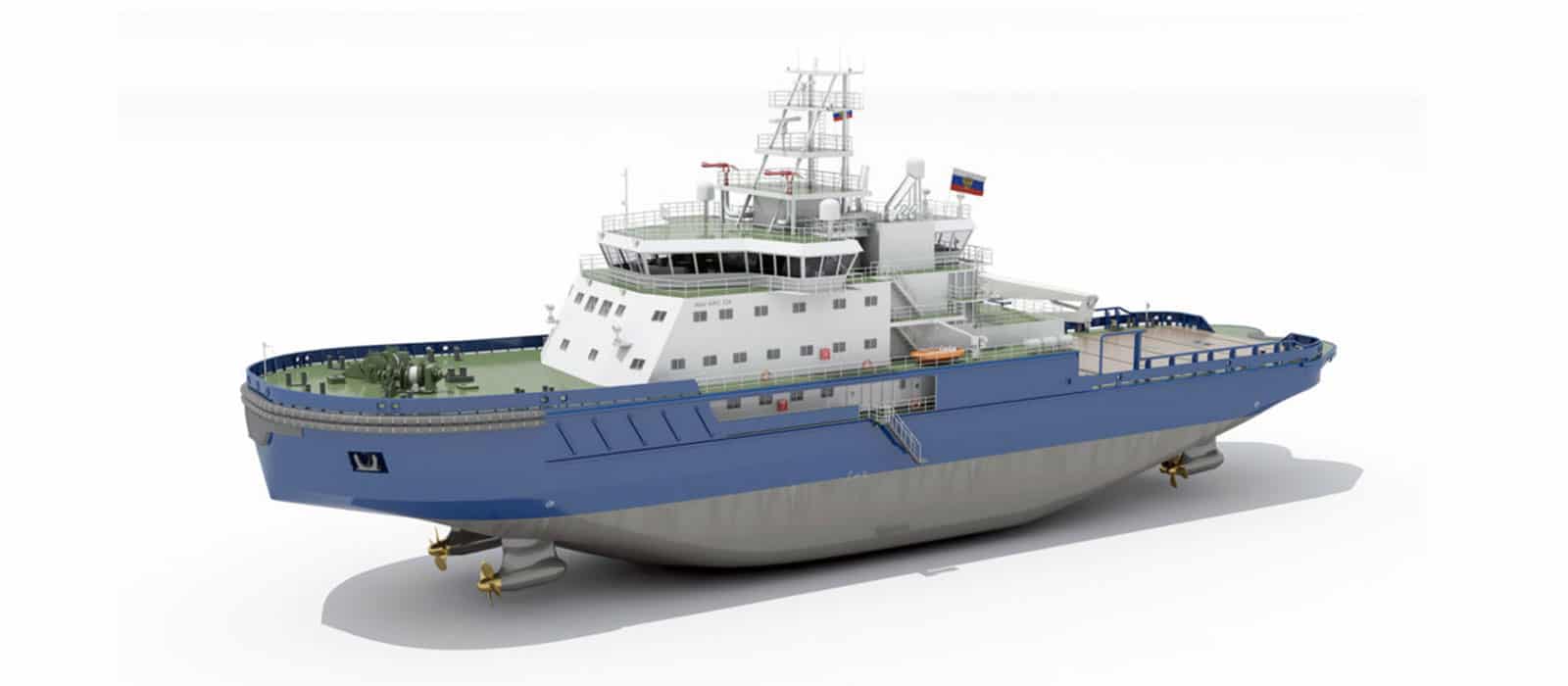
The Department of Defence, commissioned Maritime Survey Australia (MSA) to conduct a feasibility study concerning the potential transition to electric propulsion for a vessel within its fleet. The primary objectives of this study was to explore alternative fuel types and propulsion systems with the aim of reducing emissions associated with vessel operation. The study evaluates the technical and operational feasibility, costs, and potential benefits of adopting electric propulsion technology.
The Issue
The primary objective is to reduce emissions generated during vessel operations. The challenge lies in assessing the viability of electric propulsion considering the vessel’s unique operational requirements and ensuring compliance with safety standards. By investing time and resources in conducting comprehensive feasibility studies, organisations can minimise uncertainties, optimise resource allocation, and increase the likelihood of achieving their strategic objectives.
The Solution
The feasibility study employed a methodology involving the establishment of a baseline fuel consumption profile for the vessel, followed by a comparison with available electric-powered alternatives. Utilising data from a condition survey by Maritime Survey Australia , which established the vessel’s tonnage and resistance curve, preliminary assessments were made. While acknowledging the limitations of these estimates, they provide sufficient information for suppliers and installers to offer quotes and conduct further feasibility analyses.
Compliance
Navigating the regulatory landscape for small electric propulsion systems requires a comprehensive understanding of international, national, and regional standards. Manufacturers and operators must remain vigilant to evolving regulations, ensuring compliance with safety, environmental, and performance standards while also exploring opportunities presented by supportive regulatory frameworks.
Recommendations
The feasibility study helped in establishing realistic expectations and setting achievable goals for the project. MSA conducted a thorough assessments of technical feasibility, financial viability, and regulatory compliance, to enable the client to define clear objectives and develop realistic timelines and budgets for project implementation.
Overall, the feasibility study served as a crucial tool for evaluating the feasibility and viability of the proposed project, enabling the client to make informed decisions, mitigate risks, and maximise the chances of a successful outcome.